
Introduction to Smart Home Entertainment Systems
In recent years, the advent of smart technology has revolutionized the concept of home entertainment, culminating in the rise of smart home entertainment systems. These systems seamlessly integrate various devices, allowing users to enjoy an unparalleled audiovisual experience tailored to individual preferences. For movie lovers, this integration holds particular significance, as it not only enhances their viewing experience but also simplifies the management of multiple components.
At the heart of smart home entertainment systems lies the ability to control several devices through a single interface, typically a smartphone app or a smart home hub. This connectivity means that users can easily switch between services, adjust settings, and even synchronize devices to create a customized movie night atmosphere. For instance, smart lighting can be programmed to dim automatically when a film begins, while sound systems can adapt to the nuances of a film’s soundtrack to ensure that every dialogue and sound effect resonates with clarity.
The advantages of adopting smart home entertainment systems extend beyond mere convenience. They provide opportunities for enhanced connectivity and compatibility, enabling seamless integration with other smart home devices. This interconnectedness promotes an engaging environment where users can indulge in their favorite films and shows without interruptions or technical complications. Additionally, the flexibility offered by these systems allows for easy upgrades and modifications, ensuring that movie enthusiasts can keep pace with technological advancements and maintain an optimized viewing experience.
As we explore various smart home entertainment systems available today, it becomes evident that these innovative solutions cater specifically to the needs of movie lovers. By enhancing the overall audiovisual experience, they transform the way films are enjoyed in the comfort of one’s home, ensuring that every viewing session is nothing short of extraordinary.
Key Features of Smart Entertainment Systems
When assessing smart home entertainment systems, particularly for avid movie enthusiasts, several key features stand out as essential components to enhance viewing experiences. One of the primary aspects to consider is the support for 4K resolution and High Dynamic Range (HDR). These technologies significantly elevate image quality, offering sharper visuals, vivid colors, and improved contrast. A system that seamlessly integrates these features ensures that movie lovers can enjoy their favorite films as intended by the creators.
Another critical feature is surround sound capabilities. An immersive audio experience can transform a standard movie night into an extraordinary event. Many advanced smart entertainment systems incorporate Dolby Atmos or DTS:X technologies, which create a three-dimensional sound environment. This aspect is crucial for capturing the nuances of sound design in films, helping viewers feel fully engaged with the in-story action.
Voice control functionality is increasingly becoming a sought-after feature. The integration of voice assistants enables users to easily operate their entertainment systems hands-free, allowing for a more convenient viewing experience. Users can search for movies, control playback, and adjust settings without interrupting their engagement with the content, making this a valuable addition to any smart system.
Compatibility with popular streaming services is a further essential consideration. A quality smart entertainment system should support a wide range of platforms such as Netflix, Hulu, Amazon Prime Video, and others. This flexibility ensures that movie lovers have easy access to a vast library of films and series without hassle.
Lastly, multi-room audio features allow for synchronized sound across different areas of a home, making it possible for users to enjoy music or audio from movies seamlessly throughout their living spaces. With these features in mind, selecting the right smart home entertainment system becomes a well-informed decision for any movie lover.
Top Smart TVs for Movie Lovers
When it comes to enhancing the home cinematic experience, smart TVs have become increasingly indispensable for movie lovers. These televisions not only offer high-definition picture quality but also come equipped with advanced smart features that elevate viewing from mere entertainment to a more immersive and engaging experience. Below, we delve into some of the top smart TVs that cater specifically to cinema enthusiasts, focusing on their specifications, picture quality, and unique attributes.
One of the standout models in the market is the LG OLED C1 Series. Renowned for its stunning picture quality, this smart TV utilizes OLED technology, providing deep blacks and vibrant colors that bring movies to life. With a resolution of 4K, it supports multiple HDR formats, including Dolby Vision, which enhances the viewing experience by optimizing brightness and contrast. The webOS platform allows seamless access to a plethora of streaming services, making it a versatile choice for content consumption.
Another exceptional option is the Sony A80J, which combines OLED technology with Sony’s top-tier processing capabilities. This television offers impressive color accuracy and motion handling, ensuring that fast-paced action sequences in movies are fluid and clear. Its integrated Google TV interface simplifies navigation and enables personalized content recommendations to enhance the viewing experience.
Lastly, the Samsung QN90A deserves mention, as it utilizes Quantum Dot technology to deliver superior brightness and vivid colors, making it an ideal choice for brightly lit rooms. Coupled with its Smart Hub interface, users can enjoy convenient access to various apps and services. Whether you prefer adrenaline-pumping blockbusters or serene indie films, these smart TVs offer the technology and features necessary for a remarkable cinematic experience.
Best Streaming Devices and Platforms
In the realm of smart home entertainment systems, streaming devices play a pivotal role in delivering vast libraries of movies and shows. Among the most popular options available today, Roku stands out with its user-friendly interface and access to numerous channels. With a variety of models ranging from the budget-friendly Roku Express to the feature-rich Roku Ultra, users can find the perfect match for their viewing needs. Roku’s platform supports major streaming services, including Netflix, Hulu, and Disney+, ensuring that movie lovers have a wealth of content at their fingertips.
Apple TV is another premium option that caters specifically to Apple users, integrating seamlessly with other Apple devices. Its distinctive feature, Apple TV+, showcases original programming, while its support for 4K HDR ensures that movies are enjoyed in stunning clarity. Additionally, users can enjoy a plethora of apps including HBO Max and Amazon Prime Video, enhancing their cinematic experience.
The Amazon Fire Stick is a versatile streaming device appreciated for its range of functionalities and affordability. Available in multiple versions, such as the standard Fire Stick and the Fire Stick 4K, it also facilitates hands-free control through Alexa. This feature allows users to search for movies or control playback simply by using their voice, streamlining the home cinema experience.
Lastly, Google Chromecast promotes a different approach by enabling users to stream content directly from their mobile devices. By casting movies and shows onto their TVs, users can leverage the capabilities of smart devices to enhance their viewing convenience. With compatibility across numerous applications like YouTube and Netflix, Chromecast is an excellent choice for those who seek flexibility in their entertainment options.
In conclusion, the selection of streaming devices profoundly impacts the movie-watching experience. Whether opting for Roku, Apple TV, Amazon Fire Stick, or Google Chromecast, each device offers unique opportunities to explore and enjoy a multitude of films, thus elevating the overall home cinema experience.
High-Quality Sound Systems for Immersive Audio
Creating an exhilarating audio experience is crucial for movie lovers seeking to fully immerse themselves in cinematic worlds. The right sound system can dramatically enhance the quality of audio, allowing viewers to experience soundtracks, dialogue, and effects with precision. Among the various options available, soundbars, surround sound setups, and home theater systems stand out as popular choices, each offering unique advantages.
Soundbars are an excellent choice for those who prefer a minimalist design without compromising sound quality. These compact units deliver powerful audio and are relatively easy to install, making them an attractive option for smaller spaces. Many modern soundbars incorporate advanced technology such as Dolby Atmos to create a more immersive audio landscape. Affordable models, such as the Yamaha YAS-209, provide excellent value with built-in subwoofers and voice control functionality, while premium options, like the Sonos Arc, deliver superior sound quality and realistic sound staging.
For those seeking a more traditional audio experience, surround sound setups offer a comprehensive auditory experience. By utilizing multiple speakers placed strategically around the room, these systems create a three-dimensional sound field that envelops listeners. A popular recommendation in the mid-range category is the Klipsch Reference Theater Pack, known for its impressive audio clarity and compact size. High-end options like the Bose Lifestyle 650 deliver unparalleled performance, combining sleek design with exceptional sound quality.
Lastly, dedicated home theater systems provide the ultimate audio-visual experience, combining powerful receivers, high-fidelity speakers, and subwoofers. While these systems can be more expensive, they offer unmatched sound performance and customization options. Building a personalized home theater can start with affordable components such as the Onkyo TX-NR696 receiver paired with monitor speakers, or opt for premium setups featuring top-tier brands like MartinLogan or Bowers & Wilkins for an elite experience.
Choosing the right sound system largely depends on personal preferences, space constraints, and budget. Whether opting for a soundbar, surround sound setup, or an elaborate home theater system, investing in high-quality audio technology will markedly enhance the movie-watching experience, allowing sound to transport viewers right into the heart of their favorite films.
Smart Lighting Solutions for a Movie Theater Atmosphere
Creating the perfect atmosphere for a cinematic experience at home goes beyond just choosing an excellent screen and sound system; it fundamentally involves the use of smart lighting solutions. Smart bulbs, LED strips, and integrated lighting systems play a crucial role in transforming any living space into a movie theater environment. These advanced technologies allow for the control of ambient light in a way that complements the content being viewed, enhancing overall enjoyment.
Smart bulbs, for instance, can be programmed to shift in brightness and color depending on the scenes being shown. During an action-packed sequence, the lighting could become brighter and more dynamic, while more tranquil, softer hues can set the tone for intimate moments. This versatility enables viewers to immerse themselves fully in the film without distractions. Furthermore, users can control these bulbs remotely with a smartphone app, allowing for effortless adjustments without having to pause the movie.
In addition to individual smart bulbs, LED strips can be strategically placed around the room or behind the television to create an ethereal glow. These strips can also be synchronized with the content on the screen, often referred to as bias lighting. Such setups can reduce eye strain and enhance the visual experience, making movies appear more vibrant and engaging. The integration of smart lighting systems into your entertainment setup can also include pre-set scenes for movie nights, automatically dimming lights at the beginning of a film.
Moreover, with voice-activated devices and home automation systems, adjusting lighting is more convenient than ever. Users can simply issue commands such as “movie time,” and the system will automatically adjust all settings accordingly. With these smart lighting solutions, movie lovers can elevate their home-viewing experiences significantly, enveloping themselves in an ambiance that mimics that of a professional theater.
Home Theater Projectors: A Cinematic Experience
Home theater projectors have emerged as a popular choice for movie enthusiasts seeking a truly cinematic experience within the comfort of their homes. Unlike traditional televisions, which are limited by their screen size, projectors can easily create expansive images that mimic a theater environment, making them an ideal choice for movie lovers. The ability to project onto a large surface allows viewers to enjoy their favorite films with remarkable detail and clarity.
One significant advantage of home theater projectors is their versatility in viewing. Many models offer a variety of resolutions, including Full HD (1080p) and 4K options, ensuring that users can enjoy stunning visuals regardless of the content. Moreover, advancements in projection technology—such as laser and LCD—provide enhanced brightness and color accuracy, further enriching the viewing experience. This is especially beneficial in environments where ambient light levels can vary, as projectors can easily adapt to different lighting situations.
When considering the setup for a home theater projector, potential buyers should assess their available space carefully. Projectors require a certain distance from the screen to produce optimal image size, known as throw distance. Additionally, the choice of a compatible screen will significantly enhance the image quality. Screens are available in various materials and finishes, specifically designed to improve contrast and vibrancy, thus maximizing the projectors’ capabilities.
Some of the top models on the market, such as the Epson Home Cinema series and the BenQ HT series, offer features like built-in Wi-Fi, 3D compatibility, and multiple connectivity options, making them highly adaptable to different entertainment setups. By investing in a quality home theater projector, movie lovers can create a big-screen experience that truly elevates their film-watching habits, transforming their home into a private cinema.
Smart Home Integration for Seamless Control
In recent years, the evolution of technology has significantly enhanced the way users interact with their home entertainment systems. Smart home integration plays a pivotal role in this transformation, providing consumers with seamless control over their audio and video devices. Platforms such as Google Home, Amazon Alexa, and Apple HomeKit exemplify how integrated solutions can simplify the user experience, allowing for greater convenience and efficiency.
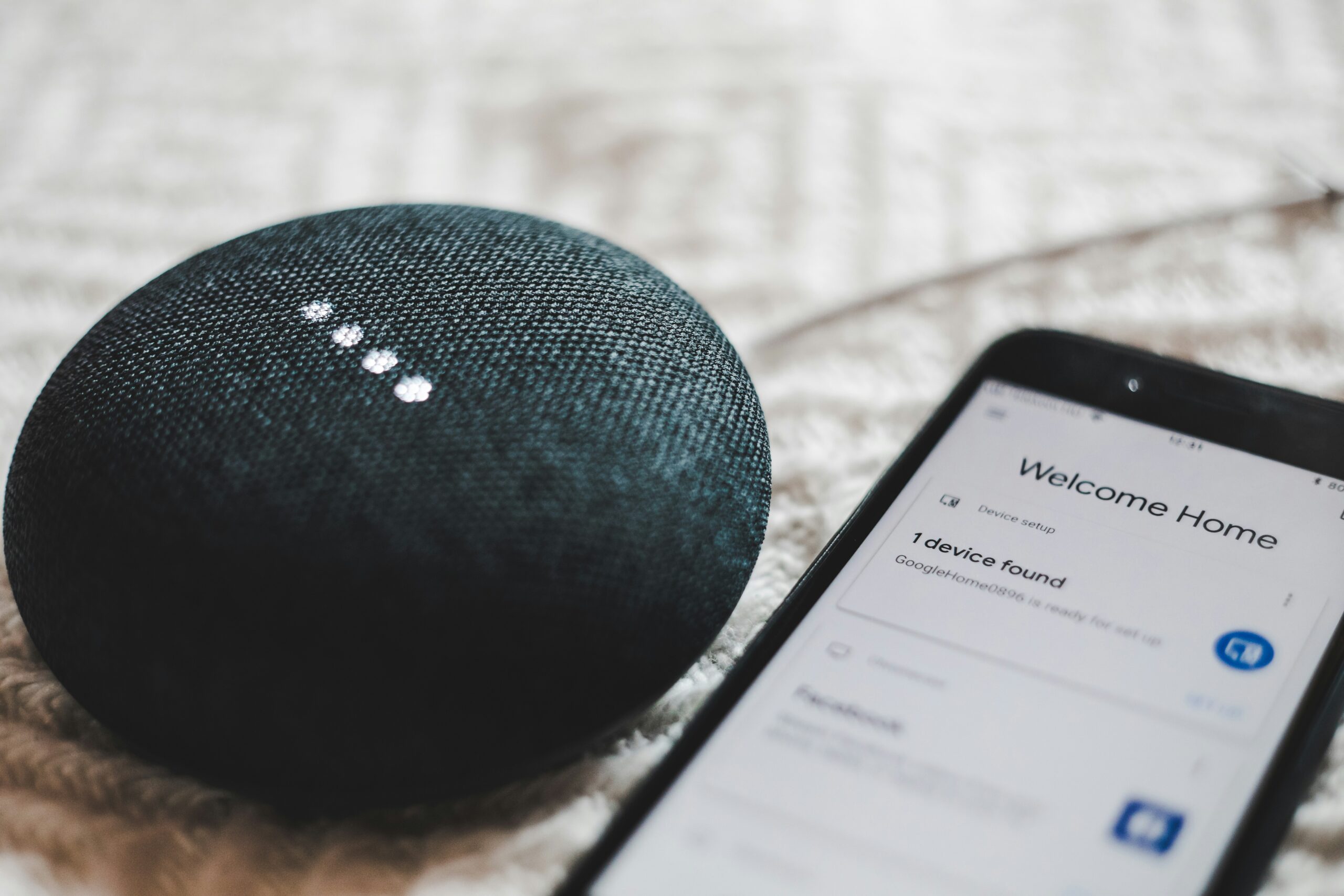
Google Home is renowned for its intelligent voice recognition capabilities, enabling users to command their home entertainment systems hands-free. With a simple voice command, one can adjust the volume, change channels, or play specific movies. Additionally, Google Home supports compatibility with various smart devices, allowing for a centralized control experience. Users can manage their audio and video devices, lighting, and even temperature settings through a single app, streamlining their day-to-day operations.
On the other hand, Amazon Alexa offers a similar degree of control and integration, permitting users to interact with Alexa-enabled speakers to manage their entertainment environment. The flexibility of integrating third-party devices means that various brands can work together harmoniously. This creates a cohesive system that can be adjusted with voice prompts or through the Alexa app, making it convenient for users to curate their desired ambiance for movie nights.
Apple HomeKit stands out as a robust smart home framework that integrates seamlessly with Apple devices. Through HomeKit, users can orchestrate their entertainment systems alongside lighting and climate controls, creating distinct scenes for any occasion. Utilizing Apple’s ecosystem, users can issue commands through Siri, making managing their entertainment systems both simple and intuitive.
Ultimately, these smart home platforms revolve around enhancing user experiences by offering a unified and simplified method to manage entertainment environments. By intertwining voice control and app integrations, consumers can enjoy a streamlined interaction with their media, contributing to more enjoyable and immersive movie experiences.
Setting Up Your Smart Home Entertainment System
Establishing a smart home entertainment system requires careful planning and execution to ensure an enjoyable experience. To start, consider the physical layout of your space. Measure the area where your system will reside and ensure you have adequate space for all components, including your display, speakers, and media devices. Device placement plays a crucial role in the overall functionality and audio-visual experience. Position your television or projector at eye level and arrange your seating to optimize viewing angles. Surround sound speakers should be strategically placed to create an immersive audio environment.
Organizing cables is another important aspect of setup. Utilize cable management solutions, such as cable ties, sleeves, or raceways, to keep wires neat and tidy. This not only enhances the aesthetic appeal of your space but also prevents tangling and wear over time. When connecting various components, follow a systematic approach—start with the primary device, such as your TV or projector, and then connect media players, sound systems, and any smart assistants you may have. Make sure to check compatibility between devices; using HDMI, optical, or AV cables correctly is essential for optimal performance.
After physically connecting your devices, proceed to configure the settings. Many modern smart devices come with intuitive setup guides. Look for features like auto-calibration for audio output, which can enhance the sound experience by adjusting settings according to your room’s acoustics. Ensure that your smart home entertainment system is integrated with all relevant apps for streaming services and smart control features for ease of use. This connectivity allows for seamless operation from a central hub, which is key for enjoying your media library or accessing new content effortlessly.
Pay attention to system updates and ensure that all devices are running the latest firmware to avoid potential compatibility issues. Following these steps will help you achieve an optimized smart home entertainment system tailored for movie lovers.
Conclusion and Future Trends in Smart Entertainment Technology
As we have explored throughout this blog post, smart home entertainment systems have transformed the way movie lovers experience films. The integration of high-definition audio and video, seamless streaming capabilities, and the convenience of voice control have raised the bar for home theaters. Today’s systems offer a remarkable blend of technology and comfort, enabling users to immerse themselves fully in their favorite films from the safety of their homes.
Looking to the future, several trends indicate that smart entertainment technology will continue to advance in ways that could further enhance the movie-watching experience. One such trend is the rise of artificial intelligence (AI) in smart systems. AI can personalize viewing recommendations based on user preferences, analyze viewing habits, and even optimize sound quality based on the room’s acoustics. This could lead to a more tailored and enriched experience for every movie enthusiast.
Moreover, the expansion of virtual and augmented reality (VR and AR) technologies is expected to revolutionize how movies are consumed. These immersive technologies have the potential to create interactive cinematic experiences that engage viewers in entirely new ways. Imagine virtually stepping into a movie scene or interacting with characters; this could redefine storytelling and engagement in film. Furthermore, as the adoption of 8K resolution and advanced HDR technology continues to grow, viewers will be able to enjoy a more vivid and detail-rich picture than ever before.
As smart home entertainment systems evolve, they will most likely become increasingly integrated with the Internet of Things (IoT), allowing for even more interconnectivity within the smart home ecosystem. This means not only improved convenience but also the potential for enhanced automation of viewing experiences. We invite our readers to share their thoughts on these future trends and what developments they hope to see in smart entertainment technology. The journey of innovation in this field is just beginning, and the possibilities are limitless.