
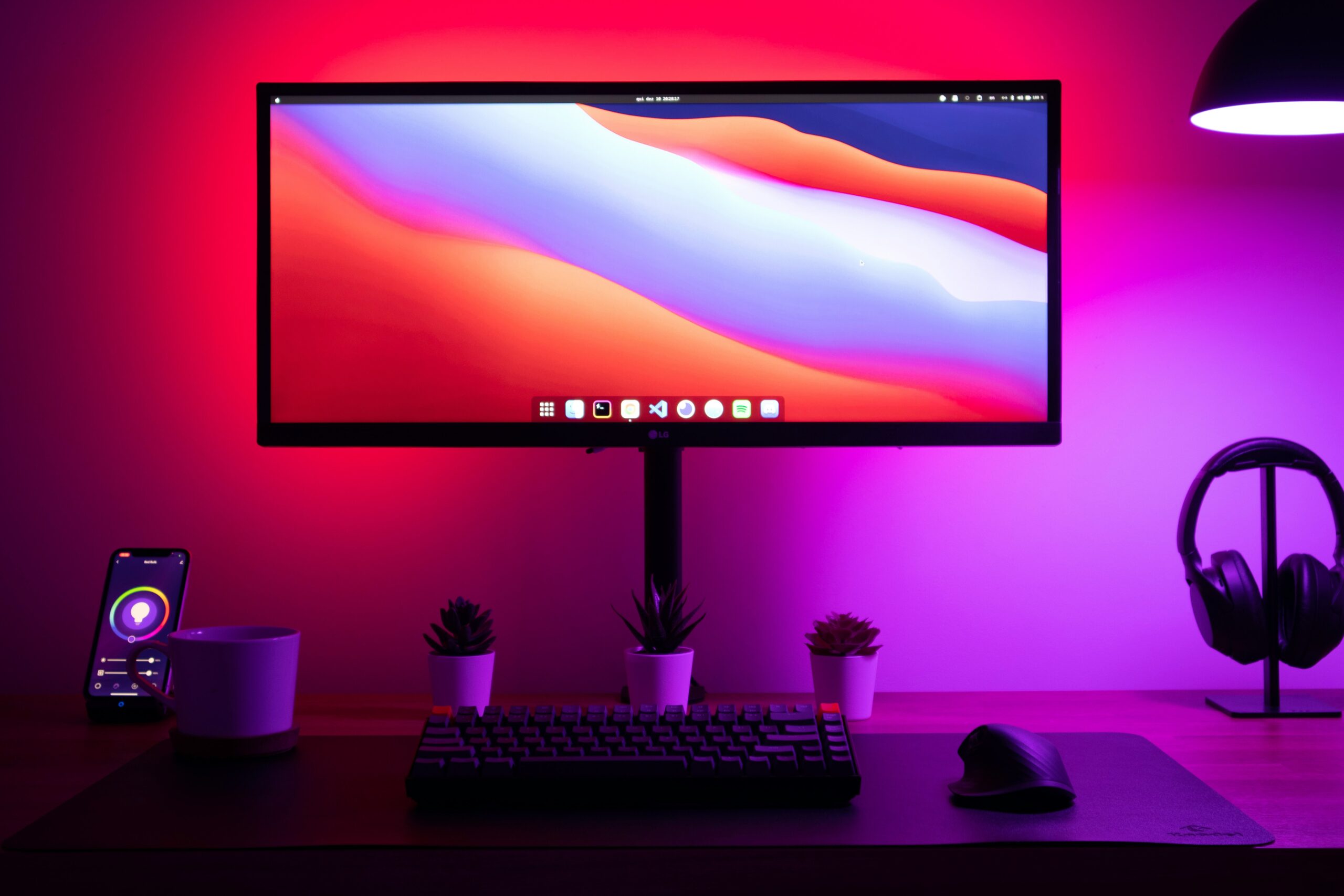
Introduction to Smart Lighting Systems
Smart lighting systems represent a significant evolution in the way we illuminate our environments. These advanced systems integrate technology with lighting, enabling users to exert control over their lighting fixtures through devices such as smartphones, tablets, or voice-activated assistants. At the core of smart lighting is connectivity, often facilitated by Wi-Fi or Bluetooth, which allows these systems to be responsive to the changing needs and preferences of users. Through a combination of sensors and automation, smart lighting can adjust brightness, color, and even schedule operation times, making it a highly adaptable option for any space.
The rise of smart lighting can be attributed to recent technological advancements, including the proliferation of the Internet of Things (IoT), which has streamlined the connection between devices. This surge in interest is reflected in the growing market and the increasing number of options available for consumers. Consequently, smart lighting systems have become more accessible and affordable, garnering widespread adoption across various settings, from households to commercial spaces.
Beyond mere illumination, smart lighting systems have been recognized for their numerous benefits over traditional lighting solutions. They offer energy efficiency, contributing to reduced electricity bills and a lower carbon footprint. With the capability for customization, users can create specific ambiances that cater to various activities—whether it is a relaxing evening at home, an invigorating workout session, or an engaging work environment. Furthermore, many of these systems incorporate features such as scheduling and remote control, enhancing convenience and user experience.
In the following sections, we will explore how smart lighting systems can significantly enhance ambiance in diverse environments, showcasing their versatility and potential to transform spaces in the year 2025 and beyond.
The Technology Behind Smart Lighting
The evolution of smart lighting systems is fundamentally driven by advanced technologies such as the Internet of Things (IoT), sensors, and various connectivity options, including Wi-Fi and Bluetooth. These innovations have revolutionized how lighting is controlled and managed within residential and commercial environments, allowing users to create customized, energy-efficient lighting solutions tailored to their needs.
At the heart of smart lighting systems lies the IoT, which enables devices to communicate and exchange data seamlessly. This interconnectedness facilitates the automation of lighting, allowing users to remotely control lights through mobile applications. Utilizing IoT technology, individuals can adjust their lighting preferences from anywhere, whether they are at home or away. Furthermore, sensors play a crucial role in enhancing the functionality of smart lighting. Motion sensors can detect occupancy, enabling lights to turn on or off based on presence. Ambient light sensors allow systems to adjust brightness according to the natural light available, thereby promoting energy savings and optimizing usage.
Connectivity options such as Wi-Fi and Bluetooth significantly enhance the user experience by allowing for integration with voice-activated platforms like Amazon Alexa or Google Assistant. This integration empowers users to control lighting through simple voice commands, contributing to a seamless and efficient home automation experience. Moreover, compatibility with other smart home devices, such as thermostats and security systems, enhances overall home security and energy management.
Looking ahead to 2025, advancements in smart lighting technology are expected to further redefine the lighting experience. Developments in AI and machine learning will likely enable systems to analyze user habits and preferences, resulting in even more personalized lighting solutions. Additionally, the implementation of advanced energy management features will facilitate smarter energy consumption, ultimately promoting sustainability and reducing costs. The future of smart lighting systems is promising, marked by ongoing innovations that will create the ideal ambiance in a variety of settings.
Benefits of Smart Lighting for Home Environments
Smart lighting systems are revolutionizing the way we illuminate our homes, providing numerous advantages that enhance both functionality and ambiance. One of the primary benefits is energy efficiency. Traditional lighting solutions, such as incandescent bulbs, consume a significant amount of energy. In contrast, smart LED bulbs are designed to use significantly less electricity, which not only reduces the home’s carbon footprint but also lowers monthly energy bills. For example, a family can save up to 80% on energy costs by switching to smart lighting, which can automatically adjust brightness and turn off when no one is present in the room.
Cost savings are another important factor to consider when evaluating smart lighting systems. These advanced solutions often include features such as scheduling, which allows homeowners to set specific times for lights to turn on and off. This brings consistency and efficiency into daily routines. For instance, a homeowner can program the lights to turn on at dusk and off at midnight, ensuring no energy is wasted. Additionally, many smart lighting systems are compatible with energy monitoring tools that provide detailed insights into energy consumption, enabling users to make informed decisions about usage and potential savings.
Customization is a hallmark of smart lighting, enabling residents to create tailored settings for various occasions. Whether hosting a dinner party, enjoying a movie night, or winding down for sleep, smart lighting allows users to adjust colors, brightness levels, and lighting scenes to suit the mood. Studies have shown that specific lighting conditions can positively impact mood and productivity. For example, a well-lit workspace can enhance focus and efficiency, thereby improving overall work performance. As smart lighting systems become more integrated into our homes, their ability to foster the right atmosphere becomes increasingly valuable.
In conclusion, the benefits of smart lighting systems in residential spaces are significant, ranging from energy efficiency and cost savings to customizable settings that enhance mood and productivity. By incorporating these systems, homeowners can enjoy a more tailored and economically sustainable living environment.
Smart Lighting Solutions for Commercial Spaces
In the evolving landscape of 2025, smart lighting systems have become integral to enhancing commercial environments. These advanced lighting solutions are not only about illumination but also about creating the ideal ambiance that caters to specific needs in offices, retail outlets, and hospitality venues. One of the vital aspects of smart lighting is its capability to adjust brightness, color temperature, and even design patterns based on predefined settings or real-time data—traits that are crucial in establishing the right atmosphere to boost customer experiences and employee productivity.
In offices, smart lighting can significantly influence employee performance by regulating light levels that align with circadian rhythms, thus promoting better concentration and reducing fatigue. This adaptable nature allows businesses to utilize energy more efficiently while increasing overall job satisfaction among employees. Moreover, the ability to create specific lighting scenes during different times of the day can encourage creativity and enhance collaborative efforts during meetings.
Retail spaces benefit from smart lighting systems by using targeted illumination to highlight products and create inviting atmospheres that attract and engage customers. The strategic use of color temperatures can evoke specific emotions and influence purchasing decisions. For instance, warmer light can make a space feel more inviting, while cooler light is often associated with cleanliness and modernity. By employing smart lighting, retailers can directly link their lighting strategies to sales performance, optimizing both their operational efficiency and customer experiences.
In hospitality venues, the ambiance created by smart lighting can enhance guest experiences, turning a simple meal or stay into a memorable occasion. By using programmable lighting solutions, hotels and restaurants can adapt to different events and moods seamlessly, all while reducing energy costs. These operational advantages, combined with the improvement in customer satisfaction, underline the significant role of smart lighting systems in commercial spaces.
Ambient Lighting vs. Task Lighting: Finding the Balance
Creating the perfect ambiance in a space involves understanding the differences between ambient lighting and task lighting. Ambient lighting serves as the primary source of light in a room, providing a uniform illumination that enhances visibility and sets the overall mood. This type of lighting is essential when it comes to making spaces feel welcoming and comfortable. On the other hand, task lighting is specifically designed to aid in activities that require focus and precision, such as reading, cooking, or working. It is typically brighter and more concentrated than ambient light, illuminating specific areas without excess glare.
Smart lighting systems play a crucial role in achieving a harmonious balance between ambient and task lighting, enabling users to create customizable environments suited to their needs. With the use of smart bulbs and fixtures, individuals can adjust the brightness and color temperature in different zones of their space, transitioning seamlessly as the day progresses. For instance, warmer lights may be preferred during early morning hours to provide a soft wake-up transition, whereas brighter, cooler lights can assist with productivity during working hours.
Layering different types of lighting is an effective method for enhancing functionality and comfort within a room. By combining ambient, task, and accent lighting, users can create a versatile atmosphere adaptable to various activities and moods. Smart systems excel in this regard, often equipped with features that allow predetermined settings for specific occasions. By programming these settings, users can easily shift their environment from a cozy gathering space to a bright work area with just a few taps on a smart device. Through thoughtful combinations and adjustments, smart lighting systems offer a sophisticated solution for achieving the ideal balance between ambiance and functionality.
Future Trends in Smart Lighting Technology
As we approach 2025, smart lighting technology is expected to undergo significant transformation driven by advancements in various fields. Foremost among these is the incorporation of artificial intelligence (AI) and machine learning into lighting systems. These innovations will enable lights to adapt dynamically to user behavior and preferences, allowing for a truly personalized experience. Systems equipped with AI can analyze usage patterns over time and make automated adjustments, ensuring optimal lighting conditions for each individual moment.
Energy efficiency remains a key priority as well, with manufacturers looking to create lighting solutions that consume less power while delivering superior performance. Future smart lighting systems are likely to utilize cutting-edge LED technology that not only conserves energy but also offers improved luminosity. Additionally, the integration of renewable energy sources, such as solar panels, into smart lighting solutions will further enhance sustainability. This development will allow users to power their lighting systems with clean energy, reducing reliance on conventional power grids and lowering energy expenses.
Moreover, the evolution of responsive and intuitive systems will define the next generation of smart lighting. These advanced systems will be capable of interpreting environmental factors such as natural light levels, occupancy, and time of day, modifying illumination accordingly. For instance, smart sensors will adjust brightness based on the amount of daylight streaming through windows, creating an ambiance that promotes comfort and productivity. Through these advancements, users will find that managing lighting becomes a seamless experience, enhancing overall living and working environments.
As these trends continue to unfold, they will pave the way for innovative enhancements in user experience, making smart lighting not only more functional but also significantly more appealing for various applications in homes and commercial spaces.
Smart Lighting Solutions for Sustainability
In recent years, the focus on sustainability has garnered increasing attention, and smart lighting systems have emerged as a vital component in the quest for greener cities and facilities. These advanced lighting solutions not only enhance the aesthetic and functional aspects of spaces but also significantly reduce energy consumption and carbon footprints. By employing technologies such as sensors and automated controls, smart lighting effectively tailors illumination to the needs of individuals while optimizing energy usage.
One of the primary environmental benefits of smart lighting systems is their ability to minimize electricity usage. Traditional lighting often relies on fixed schedules, leading to energy waste when spaces are unoccupied. In contrast, smart lighting adapts to real-time conditions, automatically dimming or turning off lights when areas are not in use. This dynamic responsiveness can result in substantial energy savings, assisting in achieving lower operational costs and lesser environmental impact.
Moreover, smart lighting plays a significant role in green building initiatives, contributing to certifications such as LEED (Leadership in Energy and Environmental Design). By integrating lighting technology that prioritizes energy efficiency, buildings can obtain enhanced sustainability ratings. Additionally, the use of LED fixtures further promotes sustainable practices, given their long lifespan and reduced energy requirements compared to incandescent bulbs.
Cities keen on improving urban sustainability can leverage smart lighting as a cornerstone of their infrastructure. This technology can facilitate the reduction of light pollution and energy waste while enhancing public safety through improved visibility. Furthermore, encouraging sustainable behaviors among users is essential; smart lighting systems can be integrated with mobile applications that provide users insights into their energy consumption, motivating them to make more informed choices regarding their lighting usage.
Through these multifaceted advantages, smart lighting systems represent a practical solution for promoting sustainability, fostering environments that are mindful of both human comfort and ecological responsibility.
Challenges and Considerations When Implementing Smart Lighting
As individuals and businesses increasingly turn towards smart lighting solutions to create the ideal ambiance, it is essential to understand the challenges associated with implementing these advanced systems. One primary consideration is the cost involved. While the price of smart lighting devices has been decreasing, initial investments can still be significant, especially when retrofitting existing structures. Potential users should carefully assess their budgets and forecast long-term savings from energy efficiency, alongside the anticipated costs of installation and maintenance.
Compatibility with existing lighting and electrical systems often presents another challenge. Not all smart lighting products will seamlessly integrate with current fixtures or wiring setups. It is important to conduct thorough research regarding compatibility and, if necessary, consult a professional to ensure that new installations can work harmoniously with existing infrastructure. Additionally, some smart lighting systems require specific platforms or ecosystems, which could constrain choices and necessitate further investments in compatible devices.
Cybersecurity concerns are also significant when adopting smart lighting technologies. As these systems often connect to Wi-Fi networks, they are susceptible to hacking and unauthorized access. Users should prioritize selecting reputable brands that offer robust security measures, and subsequently implement practices such as regularly updating firmware and maintaining strong passwords to mitigate vulnerability risks.
Moreover, the learning curve associated with new technologies can deter users from fully benefiting from smart lighting. Familiarizing oneself with smart lighting interfaces and controls might take time and patience. To ease this transition, individuals can seek out user-friendly options or utilize customer support resources. Engaging with online communities focused on smart homes can also provide valuable insights and practical tips for overcoming initial difficulties.
Conclusion: Embracing the Smart Lighting Revolution
As we look towards the future of home and commercial environments, smart lighting systems are poised to revolutionize the way we perceive and experience illumination. The integration of advanced technologies such as IoT connectivity, automation, and user personalization empowers individuals to tailor their lighting solutions to match their specific needs and preferences. With benefits ranging from enhanced energy efficiency to the ability to create versatile ambiances, smart lighting presents an invaluable asset for modern living.
The adaptability of smart lighting systems enables users to optimize their spaces dynamically. For instance, these systems can seamlessly transition from bright, energizing settings suitable for work to softer, relaxing tones conducive to unwinding in the evening. Such versatility not only improves comfort and productivity but also contributes to energy savings, making smart lighting solutions an economically and environmentally friendly option. Furthermore, the convenience and control afforded by these systems—allowing users to adjust settings remotely or via voice commands—mark a significant step towards more intelligent home automation.
As technology continues to advance, the potential for innovation in smart lighting systems will only grow. From incorporating adaptive technologies that respond to occupancy levels to enhancing security features with automated lighting schedules, the possibilities are vast. It is essential for consumers to stay informed about emerging trends and products within the smart lighting sector to fully harness these transformative capabilities.
In conclusion, embracing smart lighting systems can significantly enhance both the aesthetics and functionality of your environment. By incorporating these advanced solutions today, you position yourself at the forefront of a remarkable technological shift. We encourage readers to consider adopting smart lighting solutions and to stay engaged with the latest trends and developments in the industry for a brighter, more sustainable future.